
Author: filesrocket124@gmail.com

Green transportation and logistics: Strategies for sustainable supply chains

The transportation and logistics industries are a cornerstone of economic growth and global trade, facilitating the movement of goods and services across borders and continents. However, this vital sector’s reliance on fossil fuels and outdated practices has inadvertently contributed to many environmental challenges.

From air pollution choking urban centers to the escalation of greenhouse gas emissions exacerbating climate change, the environmental toll of traditional transportation and logistics operations is undeniable. Furthermore, the industry’s unsustainable practices have also taken a toll on natural resources, leading to resource depletion and ecological degradation. The call for sustainability has become increasingly pronounced as governments, businesses, and society grapple with the consequences of environmental degradation and climate change.

Green transportation and logistics represent a paradigm shift in conceptualizing and operationalizing supply chain management. Green transportation and logistics hold the promise of delivering tangible environmental benefits while safeguarding the long-term viability of supply chain operations. This article explores the multifaceted dimensions of green transportation and logistics, exploring the strategies, technologies, and best practices underpinning this transformative approach. By examining the challenges and opportunities inherent in transitioning toward sustainable transportation and logistics, this article seeks to provide insights and actionable recommendations for industry stakeholders.

Literature review

In recent years, the concept of green transportation and logistics (GTL) has gained significant momentum as industries strive to address environmental concerns and meet sustainability goals within their supply chain operations. This literature review aims to provide a detailed examination of GTL strategies, focusing on their role in fostering sustainability within supply chains.

Studies have extensively documented the adverse effects of these practices, including air pollution, greenhouse gas emissions, and resource depletion (Sarkis, 2013; Seuring & Müller, 2008). For example, research by Banomyong and Supatn (2019) highlights the significant carbon footprint associated with traditional freight transport, emphasizing the urgent need for sustainable alternatives.

Various conceptual frameworks have been proposed to guide the implementation of GTL strategies within supply chain management. These frameworks emphasize the integration of environmental considerations into transportation and logistics decision-making processes, emphasizing eco-efficiency, multimodal transportation, and collaboration among supply chain stakeholders (Klassen & Vereecke, 2012; Zhu & Sarkis, 2006).

These strategies include the adoption of alternative fuels (e.g., electric, hydrogen), route optimization, modal shift to more sustainable modes of transport (e.g., rail, water), and the implementation of green logistics practices such as consolidation and reverse logistics (Browning & Rees, 2016; Carter & Rogers, 2008). Additionally, advancements in technology, such as telematics to gather real-time driver status for tracking shipment and delivery status, offer opportunities to enhance the efficiency and sustainability of transportation and logistics operations.

Collaboration among supply chain partners is essential for successfully implementing GTL initiatives. The research underscores the importance of fostering partnerships and stakeholder engagement to overcome barriers and drive collective action toward sustainability goals (Ntow-Gyamfi et al., 2020). Collaborative initiatives, such as green freight programs and industry alliances, enable knowledge sharing, resource pooling, and the development of innovative solutions to sustainability challenges.

Studies have examined the effectiveness of regulatory frameworks, such as emissions standards, carbon pricing mechanisms, and incentives for green technologies, in incentivizing businesses to adopt sustainable transportation and logistics practices (UNCTAD, 2021). Moreover, international agreements, such as the Paris Agreement and Sustainable Development Goals, provide a framework for global cooperation and action on climate change and sustainability.

Methodology

The methodology adopts a systematic review approach to explore GTL strategies for sustainable supply chains through a rigorous and structured analysis of existing literature, providing valuable insights into current practices, future trends, challenges in decarbonization, and net zero goals for sustainability. Data from selected studies will be synthesized and analyzed using thematic analysis techniques. For instance, the EY research team surveyed 525 executives and found that eight in 10 supply chain executives are increasing their efforts toward sustainable transportation operations. Executives are working toward efficient use of natural resources, decarbonization, ethical sourcing, and fair trade as part of their larger focus on ESG initiatives. This paper aims to provide a comprehensive analysis of GTL strategies for sustainable supply chains, contributing valuable insights to academia, industry practitioners, and policymakers.

Environmental impacts of traditional transportation and logistics

Over decades, conventional logistics processes and practices have had significant impacts on the environment and planet which degraded human life due to increased pollution, loss of natural resources, and global warming to name a few.

Some of the notorious areas are as follows:

  • Air pollution. Excessive reliance on fossil fuels such as gasoline and diesel, emit pollutants (such as carbon monoxide, nitrogen oxides, sulfur dioxide, and particulate matter) that contribute to poor air quality [Dockery, D. W., & Pope, C. A], respiratory illnesses, and smog formation, leading to adverse health effects for humans and ecosystem degradation. 
  • Greenhouse gas emissions (GHG). The combustion of fossil fuels in transportation activities led to a rampant increase in greenhouse gases (GHGs) such as carbon dioxide (CO2), methane (CH4), and nitrous oxide (N2O) [Intergovernmental Panel on Climate Change (IPCC) (2014)] These gases trap heat in the atmosphere, leading to global warming and climate change. The transportation sector is a significant contributor to GHG emissions, accounting for a substantial portion of total emissions worldwide.
  • Habitat fragmentation and land use. Infrastructure development (construction of roads, ports, railways, and highways) requires extensive land use which leads to the disruption of the ecosystem and loss of biodiversity [Forman, R. T., & Alexander, L. E. (1998).]. Moreover, the expansion of transportation infrastructure worsens urban sprawl by encroaching on natural areas, building concrete jungles, reducing green space, and altering wildlife populations.
  • Noise pollution. Excessive noise levels from transportation infrastructure and operations can negatively impact local communities, wildlife habitats, and sensitive ecosystems, leading to stress, hearing loss, and disturbance of natural rhythms [European Environment Agency (EEA) (2021) Noise Pollution].

Overall, the environmental impacts of traditional transportation and logistics underscore the urgent need for sustainable alternatives and the adoption of greener practices to mitigate climate change, reduce pollution, and preserve natural resources.
Frameworks of green transportation and logistics

A framework for green transportation and logistics serves as a structured approach to guide the integration of sustainable practices into transportation and logistics operations. For example, the EU has pledged to reduce emissions by 55% by 2030 compared to 1990 levels and has also agreed to have a fleet average target of 0 gCO2 per mile by 2035. Multiple components hold significance in formulating policies for the robust framework, including:

  • Sustainability goals. The framework typically begins with defining sustainability goals aligned with environmental, social, and governance (ESG) objectives. This involves establishing targets for reducing carbon emissions [Paris Accord, Seuring, S., & Müller, M. (2008)], minimizing resource consumption, enhancing social equity, and improving economic viability within transportation and logistics activities. Organizations can orient their GTL strategies toward achieving tangible environmental and social outcomes by setting clear sustainability objectives. For instance, by adopting the GTL framework, Caterpillar (A North American large mining truck facility) consolidated their shipping operations based on weight, packaging, routing, and scheduling to reduce overall carbon emissions by 340-730 tons of CO2 per annum.
  • Multimodal transportation strategies. The framework emphasizes the importance of adopting multimodal transportation strategies to reduce reliance on carbon-intensive modes such as crowded road transport [Taniguchi, E., Thompson, R. G., & Yamada, T. (2001)]. This may involve promoting the use of rail, waterways, and intermodal freight transport to optimize cargo movement while minimizing greenhouse gas emissions. By diversifying transportation modes and leveraging synergies between different modal options, organizations can achieve greater and cost-effective environmental sustainability and resilience in supply chain operations. For example, the Ocean Spray organization leveraged distribution network design and intermodal shift from road to rail which led to a 20% reduction in CO2 emissions across the transportation network.
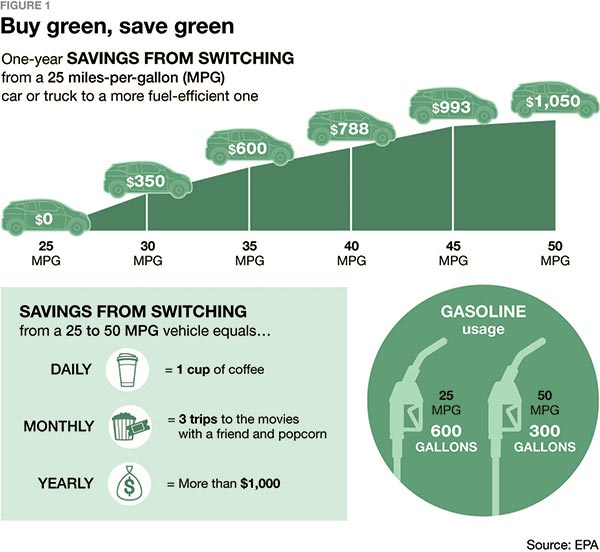
  • Adoption of green technologies. The adoption of green technology in the transportation sector is a crucial component of the GTL framework. This entails making investments in fuel-efficient engines, electric and hybrid cars, biofuels, hydrogen, and renewable energy sources to power warehouses and transportation fleets [Banomyong, R., & Supatn, N. (2019)]. Organizations may lower carbon emissions, increase energy efficiency, and make the switch to low-carbon transportation systems by adopting technological advancements.
  • Environmental considerations. Organizations need to systematically assess and integrate environmental considerations into their decision-making and financial results to ensure sustainable strategies for transportation are instituted. One critical approach [Sarkis (2013), titled “A boundaries and flows perspective of green supply chain management”] is leveraging lifecycle assessment (LCA) to evaluate end-to-end environmental impacts throughout the supply chain, spanning from procurement of raw materials to end-of-life disposal. This will help businesses identify hotspots around the evaluation of emissions, vehicle technologies, fuel choices for transportation, and alternatives available.

Strategies for green transportation

Sustainable transport is key to tackling the climate crisis and emerging technologies are reshaping transportation management globally and offering innovative solutions to improve logistical efficiency, economies of scale, alternate fuels with less emissions, and sustainability. Supply chain sustainability strategies that are driven by short-term thinking are susceptible to many different types of disruptions, from government regulations and economic conditions to other global influences.

Some of the pathbreaking key trends are as follows:

  • Modernization in vehicles (autonomous, electric). Vehicle modernization has the potential to revolutionize transportation fleets. Newer vehicles use advanced sensors and artificial intelligence algorithms to navigate routes and paths safely and responsibly, thereby improving operations and vehicle utilization and reducing carbon emissions. Similarly, advancements in battery technology and infrastructure for charging electric vehicles will significantly reduce carbon emissions, thereby providing a sustainable operative for logistic service providers and fleet operators. Transitioning to electric vehicles powered by renewable energy sources can significantly reduce greenhouse gas emissions and air pollution associated with traditional gasoline and diesel vehicles [Nikas, A., & Xydis, G. (2020)].
  • Sustainable planning for cities and communities. Architecting and designing cities and communities with compact and accessible amenities can reduce reliance on motorized vehicles and promote physical activity thereby mitigating environmental impacts due to transportation [Newman, P., & Kenworthy, J. R. (2015).]. Local and municipal bodies need to further encourage physical activities in communities via the use of digital apps such as Virgin Pulse and many others. Furthermore, carpooling and ridesharing programs can help optimize vehicle occupancy rates, reduce traffic congestion, and lower carbon emissions per passenger mile [Chen, P., Lu, L., Zhai, Y., & Tang, J. (2017)].
  • Investment in sustainable infrastructure. Governments and local authorities need to plan and allocate funds for the development, and maintenance of transport infrastructure with emphasis on environmental sustainability, social equity, and economic viability.
  • Futuristic mode of transportation (Maglev and Hyperloop). Technologies such as Hyperloop and Magnetic levitation offer high-speed solutions as futuristic modes of transportation. Concepts such as bullet trains will reduce travel time, reduce carbon emissions, and provide greener avenues for communities. Alternative fuels such as biodiesel, ethanol, hydrogen, propane, and natural gas further help conserve resources and reduce emissions.

Stakeholder engagement and regulatory measures

The decarbonization and transformation of the transport sector remains essential for achieving the Paris targets, as transport still accounts for 24% of global CO2 emissions from fuel combustion [IEA 2020]. The challenge of decarbonization massively increases the need for intercompany carbon data exchange [Forbes, 2022 study]. Transparency and powerful collaboration capabilities are key for sharing data up and down the supply chain. Successful companies on the sustainability front are using open networks that connect multiple partners for inter-company collaboration and insight.

Stakeholder participation, collaboration, and engagement are imperative for the adoption of sustainable practices, fostering transparency and accountability in the supply chain. Shared goals, priorities, and challenges need to be identified and discussed amongst all parties including transportation authorities (department of transportation), governmental agencies, manufacturers, retailers, environmental bodies, and regulatory agencies [Ntow-Gyamfi, M., Yang, Y., & Damoah, I. S. (2020)].

Conducting stakeholder-focused group discussions and workshops to solicit inputs on sustainability, establishing advisory committees on sustainable transportation, and working groups to facilitate dialogue, is a must. Solutions need to be co-created and social media platforms can be leveraged to disseminate and provide information transparently to the public. This will help build trust and incorporate inclusivity and equity amongst diverse stakeholder groups.

Similarly, the regulatory framework comprising environmental laws and regulations on emission standards, pollution control, and natural resource conversation needs to be revamped to promote green technologies for environmental sustainability. Governments can provide grants, subsidies, and tax credits to support research in the green transportation domain.

Regulatory frameworks can support environmentally friendly logistics techniques including cutting down on empty kilometers, increasing cargo efficiency, and optimizing freight routes. Regulations about freight consolidation, vehicle routing, and environmentally friendly packing materials may be implemented to reduce environmental effects and improve the sustainability of the supply chain. As demand for action continues to grow for recycling plastic and sustainable packaging, effective implementation of transportation policies to promote alternative modes of transportation to reduce reliance on fossil fuels needs to be enforced across developing nations.

Aviation and shipping sectors contribute large amounts of greenhouse gas emissions, which can be tampered with by regulatory action. This could entail carrying out international agreements and rules, such as the International Civil Aviation Organization’s (ICAO) Carbon Offsetting and Reduction Scheme for International Aviation and the International Maritime Organization’s (IMO) emissions limits for ships (CORSIA). All countries and organizations need to disclose environmental, social, and governance (ESG) performance metrics, and conduct quarterly audits to enhance accountability in reporting the state of the supply chain [United Nations Environment Program (UNEP). (2011)]. 

Conclusion

Sustainability simply means keeping things going—but the conundrum is that keeping things going exactly as they are right now is unsustainable. Fortunately, one thing sustainability doesn’t mean is poor business performance. Many sustainability initiatives in the logistics domain are designed to increase efficiency and drive down costs.

Stakeholder engagement initiatives, policy interventions, and the use of cutting-edge technologies have all contributed to the notable advancement of sustainable supply chains and greener transportation. Reducing carbon emissions, improving air quality, and increasing resource efficiency have all been shown to be tangibly benefited by initiatives like investing in sustainable infrastructure, encouraging the use of electric vehicles, promoting public transportation, and putting supply chain transparency measures in place. This includes support for renewable energy technologies, smart transportation systems, circular economy practices, and resilient supply chain networks.

The paradigm shift toward more environmentally friendly smart transportation and sustainable supply chains needs to be led by the values of inclusivity, social justice, and fairness. Prioritizing the needs and voices of disadvantaged communities, vulnerable populations, and future generations is crucial in promoting sustainability and ensuring that the benefits of sustainable development are distributed fairly throughout society. By fostering collaboration, innovation, and shared responsibility, we can build a more sustainable, equitable, and resilient future for all.
Sustainable Transportation Practices in Logistics

As the logistics industry evolves, sustainability has become a critical focus for reducing the environmental impact of transportation. With growing awareness of climate change and increased regulatory pressures, logistics providers are implementing eco-friendly transportation practices. We will explore the importance of sustainable transportation, the role of new technologies, and the impact of e-commerce on logistics operations.

Sustainable transportation practices are integral to minimizing carbon emissions, reducing waste, and improving operational efficiency in logistics. Given that transportation accounts for nearly 28% of global greenhouse gas emissions, logistics providers must adopt greener alternatives​.

Key Sustainable Transportation Practices 

1. Adoption of Alternative Fuel Vehicles

The shift to alternative fuels, including electric, hydrogen, and biofuel-powered vehicles, is one of the most impactful ways to reduce emissions in logistics. These fuel alternatives offer a cleaner, more sustainable option compared to traditional diesel vehicles.

According to Cornell University, achieving a significant reduction in emissions requires widespread adoption of zero-emission vehicles (ZEVs). The research emphasizes setting clear policy targets and investing in infrastructure to support electric vehicles, charging networks, and hydrogen-powered alternatives, aiming for at least 50% ZEV deployment by 2030.

Electric Vehicles (EVs): Many logistics providers are investing in EV fleets for urban and last-mile deliveries. EVs offer significant reductions in emissions and are ideal for short-distance routes, where charging infrastructure is more developed​.

Hydrogen Fuel Cells: Hydrogen fuel cell technology is emerging as a viable option for long-haul transportation, offering a similar range to diesel trucks but with zero emissions. This option is still in its early stages but holds promise for a broader adoption in heavy-duty logistics​.

Biofuels: Biofuels derived from organic materials (like agricultural waste or algae) are being used to power freight trucks, offering a cleaner alternative to fossil fuels without the need for entirely new vehicles​.

2. Route Optimization Technologies

Route optimization software has become a standard tool in logistics, helping to reduce fuel consumption and improve delivery times. Advanced algorithms analyze factors such as traffic patterns, weather conditions, and delivery windows to identify the most efficient route.

AI-Powered Route Planning: By using AI to analyze real-time data, logistics providers can dynamically adjust routes, minimize delays, and reduce emissions from idling and extended travel distances​.

Integration with IoT: Internet of Things (IoT) devices, like GPS trackers and vehicle sensors, provide data that helps logistics companies monitor fuel consumption and vehicle performance, contributing to more sustainable practices​.

3. Load Consolidation and Freight Efficiency

Load consolidation combines several smaller shipments into one larger load, maximizing vehicle capacity and reducing the frequency of trips. This approach enhances efficiency by utilizing available space, which leads to significant cost savings on fuel, labor, and operational expenses. Additionally, it promotes sustainability by lowering the overall carbon footprint, as fewer trips mean reduced greenhouse gas emissions.

By streamlining transportation processes, load consolidation not only supports economic goals but also aligns with environmentally conscious logistics strategies, contributing to greener supply chain practices.

Hub-and-Spoke Model: The hub-and-spoke distribution model helps centralize shipments and improve load consolidation. This model is especially effective in reducing emissions for long-haul routes by increasing the load factor per trip​.

Collaborative Logistics: Some companies are collaborating with competitors to share transportation capacity, which maximizes vehicle utilization and minimizes empty runs, further reducing the carbon footprint​.

The Impact of E-commerce on Transportation Services

E-commerce has dramatically transformed transportation in logistics, introducing new challenges and opportunities in sustainable transportation. As online shopping continues to grow, so does the demand for fast, efficient, and sustainable delivery solutions.

Growth of Last-Mile Delivery

Last-mile delivery, the final and often most complex part of the shipping journey, has experienced rapid growth, primarily driven by the rise of e-commerce. As online shopping becomes more prevalent, customer expectations have shifted towards faster, more convenient delivery options, such as same-day or next-day service.

This demand has led to increased delivery trips, putting pressure on logistics providers to enhance their speed, accuracy, and efficiency. To meet these expectations, companies are adopting innovative solutions, including route optimization, real-time tracking, and local warehousing to ensure prompt fulfillment.

Environmental Impact: The increase in last-mile delivery has led to more vehicles on the road, contributing to congestion, pollution, and higher emissions​

Electric Vehicles in Last-Mile Logistics: To address these challenges, many logistics providers are deploying electric vehicles specifically for last-mile operations. EVs are more efficient and less polluting, making them ideal for urban areas where quick deliveries are essential​

The Role of Micro-Fulfillment Centers

Micro-fulfillment centers (MFCs) are small warehouses located closer to urban centers, designed to speed up delivery and reduce transportation distances. MFCs enable logistics companies to meet e-commerce demands while cutting down on emissions from long-distance transportation.

Strategic Placement: By placing MFCs in key areas, logistics providers can shorten delivery routes and reduce the carbon footprint of each delivery, making the supply chain more sustainable​

Automated Warehousing: Many MFCs utilize automation, including robotic systems for sorting and picking, which speeds up the fulfillment process while also reducing energy consumption compared to traditional warehouses​

Sustainable Packaging Solutions

The surge in e-commerce has also increased the demand for packaging materials, contributing to waste. Sustainable packaging initiatives aim to reduce waste and make the delivery process more eco-friendly.

Recyclable and Biodegradable Materials: Using recyclable and biodegradable packaging materials not only reduces waste but also aligns with broader sustainability goals in logistics​

Right-Sizing Packaging: Logistics companies are implementing right-sizing techniques that adjust the package size to fit the item, reducing excess material usage and improving transport efficiency by allowing more packages to fit into delivery vehicles​

Benefits of Sustainable Transportation Practices

Adopting sustainable transportation practices offers numerous benefits beyond reducing environmental impact:

1. Cost Savings

While initial investments in green technologies and practices may be high, they can lead to significant cost savings over time. For instance, electric vehicles have lower fuel and maintenance costs compared to traditional vehicles​. Similarly, route optimization and load consolidation reduce overall fuel consumption and operational expenses.

2. Regulatory Compliance

Governments globally are implementing stricter regulations to reduce transportation-related emissions, aiming to mitigate climate change and meet sustainability goals. In the U.S., initiatives like the Carbon Reduction Program, part of the Bipartisan Infrastructure Law, provide over $6 billion in funding to support states and local governments in implementing projects that reduce carbon emissions, such as electrifying fleets and improving fuel efficiency. The program also incentivizes the development of infrastructure for electric vehicles, creating an avenue for logistics providers to comply with regulations and benefit from tax incentives​.

Additionally, other federal initiatives include the National Electric Vehicle Infrastructure (NEVI) program, which offers $5 billion for building a national EV charging network, further supporting emission reductions across the logistics sector. These measures not only prevent penalties but also offer financial benefits through grants, tax credits, and reduced fuel costs, making sustainable practices a strategic investment for logistics companies​.

3. Enhanced Brand Reputation

As consumers become more environmentally conscious, they prefer brands that demonstrate a commitment to sustainability. By investing in sustainable transportation, logistics companies can improve their brand image, build customer loyalty, and attract business from eco-minded clients​

Challenges in Implementing Sustainable Transportation

Despite the advantages, transitioning to sustainable logistics faces several challenges:

1. High Initial Costs

Investing in electric fleets, alternative fuels, and advanced technologies can be expensive. For many logistics companies, particularly small to mid-sized ones, these costs can be prohibitive. However, governments and organizations are offering incentives and subsidies to encourage the adoption of greener practices​

2. Infrastructure Limitations

Infrastructure for sustainable practices, such as charging stations for electric vehicles and hydrogen refueling stations, is still developing in many regions. This limits the speed at which logistics providers can adopt sustainable transport solutions​

3. Balancing Speed and Sustainability

Meeting the demand for fast deliveries, particularly in e-commerce, can conflict with sustainability goals. For example, same-day deliveries may require less consolidated loads, resulting in more trips and higher emissions​. Striking a balance between speed and sustainability is a key challenge for logistics providers.

Sustainable transportation practices are crucial for minimizing the logistics sector’s environmental impact and meeting the rising demand for eco-friendly operations. With the rapid growth of e-commerce, logistics providers face mounting pressure to implement innovative solutions, including electric vehicles, route optimization, and micro-fulfillment centers to reduce emissions. Despite initial challenges like infrastructure costs and technology integration, the long-term benefits—such as reduced fuel consumption, compliance with environmental regulations, and an improved brand image—make this shift highly valuable.

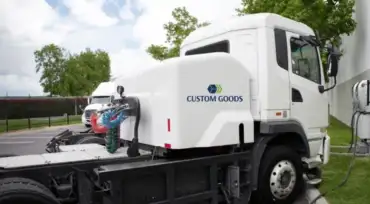
Custom Goods exemplifies this commitment by adopting cutting-edge sustainable strategies, prioritizing operational efficiency and environmental stewardship. As a leader in the field, Custom Goods uses electric vehicles and strategic delivery models to meet sustainability goals, align with regulatory requirements, and boost cost-effectiveness. Our  proactive approach not only enhances the brand’s reputation but also sets a standard for the logistics industry to create greener, more resilient supply chains.

Top 10 places to see in Denmark

Top 10 places to see in Denmark

Denmark is a small country. But you will be surprised by the number of gorgeous and well-kept small towns, islands, castles – and a few surprising natural wonders.

Here are our ten choices. One of them is not even in Denmark but we included it for a good reason:

SEE THE LOCATION OF EACH PLACE AT THE BOTTOM OF THE POST


1. Copenhagen
Undoubtedly, the capital is the starting point for visiting Denmark. If you only have a few days for Denmark then Copenhagen is where you should go. The urban area of Copenhagen has 1,5 million people and is Scandinavia’s largest city. It is packed with tourist attractions like the famous Tivoli Gardens, Nyhavn and Amalienborg Palace. It is a safe, friendly, exciting but also expensive city and it will be a highlight of any visit to Europe.

2. The West Coast
If you like beautiful beaches and swimming in clean water the Danish West coast should not be missed. Summer in Denmark is much better than people think. The days are 15 hours long and the water temperature can get up to 20 or even 21 degrees celsius making it great for swimming on a hot day. Do not go the West coast in the winter, though. It will be dark, cold and boring.

3. Bornholm
The island of Bornholm really is the gem of the Baltic Sea. It is one of the most relaxed and beautiful places that you will ever visit. People completely fall in love with it. The landscape is very different from the rest of Denmark as this is a rocky island with a rugged coastline. It is literally packed with small but gorgeous tourist sights like round churches, fantastic beaches, well preserved old villages and natural parks.

How to get there: The easiest is to drive across the bridge to Sweden and then take a ferry from the town of Ystad. That will take you about three and a half hours in total. The cheapest way is, however, to buy a bus ticket with the Kombardo Express all the way from Copenhagen to Bornholm for as little as 20 USD. Getting around Bornholm can be done with public transportation but it is difficult getting to the small villages and you will not see as much as if you bring a car.

4. Schleswig, Germany
The town of Slesvig and the province that it belongs to has been part of Germany since 1864. But it was Danish for all the time that is accounted for before that. It contains so much Danish history that there is no other place you can go and learn so much about Denmark.

The 900-years-old and huge cathedral is breathtaking and so is the castle of Gottorp. Just outside of Slesvig you can visit the site where the biggest town in Scandinavia (Hedeby) was located in the Viking era. And right next to it is the 30 kilometers long earth and brick wall that was Denmark’s border to Germany basically from the 400s to1864.

How to get there: It takes 4 hours to drive by car from Copenhagen or you can get there by train from the Copenhagen central station in 3 hours. (Between 300 and 600 DKK each way).

5. Kronborg Castle
Kronborg Castle is located on a peninsula with stunning views across the water to Sweden and should not be missed. This is where Shakespeare’s play “Hamlet” takes place and it has played a huge role in Danish history.

It takes about 50 minutes to get there by car and a bit longer by train because you have to walk 15 minutes from the train station in Helsingør to the castle.Kronborg aerial vieww

6. Frederiksborg Palace
The Versailles of Scandinavia. Hands down the most luxurious and extravagant castle in Scandinavia. Located on a lake and absolutely loaded with paintings, artwork, carvings and gold.

How to get there: 40 minutes and a ten minutes walk from Copenhagen by train.

7. Ribe
Ribe is the best preserved Medieval town in Denmark. A small river passes through and the cathedral from the 12th century dominates the town.

How to get there: 3-4 hours by car or train

8. Møns Klint
Denmark does not have a lot of dramatic landscapes but at Møns Klint you will be awed by the steep chalk cliffs rising straight up from sea. Be prepared for a tough walk up and down the stairs. On the beach you can find petrified fossils of squid from 70 million years ago when the chalk was the sea bed. They are actually quite easy to find and it is a great activity with kids.

Getting to Møns Klint is only really possible by car and takes two hours from Copenhagen.

9. Raabjerg Mile
Raabjerg Mile is a huge moving sand dune. It is one kilometer wide and one kilometer long and 40 meters high. The dune moves 15 meters every year covering everything in its path. It is an impressive and quite unique sight and you will have a lot of fun climbing it.

It is about about a five hour drive from Copenhagen by either car or train. You will not regret going to this part of the country where the summer days are even longer and the beaches are great.

10. Anholt
Denmark has about 100 inhabited islands (and many hundred uninhabited islands). Our favourite small island is Anholt. The island is almost exactly the same shape as the old Twitter logo but that is not why we love it. It is the geography that sets it apart. One quarter of the island is elevated by a big hill that gives you a great view over the rest of the island. This is where people live. The other three quarters of the island to the East is a natural park where there are no houses.

Take the 9 km walk from along a beach with huge sand dunes of bright white sand and see the light house and the seal colony at the far tip of the island before you walk back to the West through the desert for a well-deserved dinner in the harbour area.

How to get there: You can either take a ferry for three hours from the town of Grenå (which is four hours from Copenhagen). Or you can fly 35 minutes from the airport in Roskilde using the company Copenhagen Air Taxi.


Other blog posts

Finally!! Our tours are running again


Day Tours in Copenhagen
with Hamlet Tours

With an average customer rating on TripAdvisor of 4.9 out of 5
we are ready to take you on the best tours in the Copenhagen area

Our tours are up and running again

UPDATE: This blog post is no longer relevant. It is no longer a requirement in Denmark to be vaccinated to participate in tour activites. 


Finally!! All tours are up and running again now. The museums, castles and churhces that we visit are open and we have run the first tours this week. There are still not many tourists in Copenhagen so our tours do not run every day like normal. Please check the schedule when you book.

You need to have proof of being vaccinated or a negative COVID19 test that is no more than 72 hours old (=3 days) to go on the tour. The same rules apply for our guides. 

There is, however, very little COVID19 in Denmark at the moment. The daily number of cases in the entire country hover around 200-400 at the moment. More than half the population has been vaccinated so the epidemic does currently not pose a big risk.

Want to visit

Go on our Grand Inner city tour

Book now

Other blog posts

\n

UPDATE: This blog post is no longer relevant. It is no longer a requirement in Denmark to be vaccinated to participate in tour activites.\u00a0<\/p>\n


\n

Finally!! All tours are up and running again now. The museums, castles and churhces that we visit are open and we have run the first tours this week. There are still not many tourists in Copenhagen so our tours do not run every day like normal. Please check the schedule when you book.

You need to have proof of being vaccinated or a negative COVID19 test that is no more than 72 hours old (=3 days) to go on the tour. The same rules apply for our guides.\u00a0<\/p>\n

There is, however, very little COVID19 in Denmark at the moment. The daily number of cases in the entire country hover around 200-400 at the moment. More than half the population has been vaccinated so the epidemic does currently not pose a big risk.<\/p>\n“}}]},{“type”:”column”,”props”:{“image_position”:”center-center”,”media_overlay_gradient”:””,”vertical_align”:””,”style”:””,”text_color”:””,”padding”:””},”children”:[{“type”:”text”,”props”:{“margin”:”default”,”column_breakpoint”:”m”,”text_style”:””,”text_color”:””,”text_size”:””,”column”:””,”position”:””,”position_z_index”:””,”maxwidth”:””,”maxwidth_breakpoint”:””,”block_align”:””,”block_align_breakpoint”:””,”block_align_fallback”:””,”text_align”:””,”text_align_breakpoint”:””,”text_align_fallback”:””,”animation”:””,”visibility”:””,”content”:”

Want to visit<\/h3>\n

Go on our Grand Inner city<\/a> tour<\/p>\nBook now <\/i><\/a>“,”class”:”sidebar-cta-blue”}},{“type”:”headline”,”props”:{“title_element”:”h4″,”title_style”:””,”title_decoration”:””,”title_font_family”:””,”title_color”:””,”position”:””,”position_z_index”:””,”margin”:””,”maxwidth”:””,”maxwidth_breakpoint”:””,”block_align”:””,”block_align_breakpoint”:””,”block_align_fallback”:””,”text_align”:””,”text_align_breakpoint”:””,”text_align_fallback”:””,”animation”:””,”visibility”:””,”content”:”Other blog posts”}},{“type”:”wordpress_area”,”props”:{“layout”:”stack”,”breakpoint”:”m”,”content”:”builder-2″,”column_gap”:””,”row_gap”:””,”position”:””,”position_z_index”:””,”margin”:””,”maxwidth”:””,”maxwidth_breakpoint”:””,”block_align”:””,”block_align_breakpoint”:””,”block_align_fallback”:””,”text_align”:””,”text_align_breakpoint”:””,”text_align_fallback”:””,”animation”:””,”visibility”:””}}]}]}]}],”version”:”1.22.8″,”props”:[]} –>

Winter update on the Corona situation


Day Tours in Copenhagen
with Hamlet Tours

With an average customer rating on TripAdvisor of 4.9 out of 5
we are ready to take you on the best tours in the Copenhagen area

We expect tours to be up and running by Summer

Like the rest of the World, we are waiting for the vaccines to hopefully make it possible to travel again. 

As of January 2021, the borders to Denmark are closed for visitors from many countries including the US. Currently, the museums that we visit on our tours are also closed due to the pandemic. Our tours are, therefore, not running at the moment. 

We do not recommend that you book tours before you know if you can enter Denmark and if the tours will be running. 

We expect the restrictions to be lifted during Spring or early Summer and will  then start running our tours again immediately. 

When this happens you can be sure that our tours and the sights that we visit will live up to all guidelines on how to prevent the spread of the virus. If you are concerned about the virus, you are welcome to book a private tour where you and a guide will be the only people on the bus.

Please contact us if you need information on our tours or  an update on when they will be running again.

We are looking so much forward to welcoming visitors again.

Want to visit

Go on our Grand Inner city tour

Book now

Other blog posts

\n

Like the rest of the World, we are waiting for the vaccines to hopefully make it possible to travel again.\u00a0<\/p>\n

As of January 2021, the borders to Denmark are closed for visitors from many countries including the US. Currently, the museums that we visit on our tours are also closed due to the pandemic. Our tours are, therefore, not running at the moment.\u00a0<\/p>\n

We do not recommend that you book tours before you know if you can enter Denmark and if the tours will be running.\u00a0<\/p>\n

We expect the restrictions to be lifted during Spring or early Summer and will\u00a0 then start running our tours again immediately.\u00a0<\/p>\n

When this happens you can be sure that our tours and the sights that we visit will live up to all guidelines on how to prevent the spread of the virus. If you are concerned about the virus, you are welcome to book a private tour where you and a guide will be the only people on the bus.<\/p>\n

Please contact us if you need information on our tours or\u00a0 an update on when they will be running again.<\/p>\n

We are looking so much forward to welcoming visitors again.<\/p>\n“}}]},{“type”:”column”,”props”:{“image_position”:”center-center”,”media_overlay_gradient”:””,”vertical_align”:””,”style”:””,”text_color”:””,”padding”:””},”children”:[{“type”:”text”,”props”:{“margin”:”default”,”column_breakpoint”:”m”,”text_style”:””,”text_color”:””,”text_size”:””,”column”:””,”position”:””,”position_z_index”:””,”maxwidth”:””,”maxwidth_breakpoint”:””,”block_align”:””,”block_align_breakpoint”:””,”block_align_fallback”:””,”text_align”:””,”text_align_breakpoint”:””,”text_align_fallback”:””,”animation”:””,”visibility”:””,”content”:”

Want to visit<\/h3>\n

Go on our Grand Inner city<\/a> tour<\/p>\nBook now <\/i><\/a>“,”class”:”sidebar-cta-blue”}},{“type”:”headline”,”props”:{“title_element”:”h4″,”title_style”:””,”title_decoration”:””,”title_font_family”:””,”title_color”:””,”position”:””,”position_z_index”:””,”margin”:””,”maxwidth”:””,”maxwidth_breakpoint”:””,”block_align”:””,”block_align_breakpoint”:””,”block_align_fallback”:””,”text_align”:””,”text_align_breakpoint”:””,”text_align_fallback”:””,”animation”:””,”visibility”:””,”content”:”Other blog posts”}},{“type”:”wordpress_area”,”props”:{“layout”:”stack”,”breakpoint”:”m”,”content”:”builder-2″,”column_gap”:””,”row_gap”:””,”position”:””,”position_z_index”:””,”margin”:””,”maxwidth”:””,”maxwidth_breakpoint”:””,”block_align”:””,”block_align_breakpoint”:””,”block_align_fallback”:””,”text_align”:””,”text_align_breakpoint”:””,”text_align_fallback”:””,”animation”:””,”visibility”:””}}]}]}]}],”version”:”1.22.8″,”props”:[]} –>

Så hårdt rammer Corona-krisen Hamlet Tours økonomisk

Så hårdt rammer Corona-krisen Hamlet Tours

Normalt er regnskabsinformation ikke offentlig for vores virksomhed, fordi det er en personligt ejet virksomhed. Men vi deler dette indlæg for at give et billede af situationen i turistbranchen i København i øjeblikket. Hundredevis af hoteller, restauranter og sightseeingvirksomheder som vores står i problemer, der er langt større, end de fleste er klar over.  

Grafen viser vores driftssaldo*.  Indtil Corona og nedlukningen ramte, havde vi et ret almindeligt år for en virksomhed i turistbranchen. Vi har almindeligvis en sund og profitabel virksomhed. Vi har overskud fra det sene forår til og med midten af oktober.

Derefter er det helt almindeligt, at vi taber penge hen over efteråret og vinteren, hvor der ikke er ret mange turister i Danmark. Det er ikke noget problem. Men det er et problem, når højsæsonen bliver totalt ødelagt, og man derved får en periode på halvandet år, hvor der på intet tidspunkt tjenes penge.  

Da Corona brød ud i Europa, måtte vi først betale ca. 250.000 kr tilbage til gæster, som afbestilte deres ture til sommer. Derfor dykkede kontoen markant i slutningen af februar. Og indenfor de første to uger af marts var det slut med nye bookinger. 

Vores suverænt største kundegruppe (56%) er amerikanere, og de må ikke længere rejse ind i Danmark, selv hvis de ville. Derefter kommer australiere, canadiere og englændere, som heller ikke rejser i øjeblikket. De få tyskere og nordmænd, som er i København, tager ikke på sightseeingture. Rigtig mange af vores gæster kommer normalt med de krydstogtskibe, som ikke længere sejler. Derfor er omsætningen stort set forsvundet fra den ene dag til den anden. 

På nuværende tidspunkt har virksomheden derved mistet omsætning for ca. 3,8 millioner fra marts til slut juli og haft et negativt resultat på ca. 550.000 kr. For hele 2020 forventer vi at miste omsætning for 5,5 millioner kroner og at få et årsresultat på minus 700.000-800-0000.  For perioden fra efteråret 2019 til foråret 2021 forventer vi samlet tab på bundlinjen på ca. 1,5 millioner. 

Bortset fra et administrativt nødberedskab (til eksempelvis at skrive dette indlæg) og en enkelt sporadisk tur en gang i mellem er alle 13 medarbejdere på nuværende tidspunkt sendt hjem uden løn.

Virksomheden er ikke lukningstruet. Men det skyldes kun, at vores ejer ikke lever af virksomheden og tværtimod kan skyde penge i den fra sin opsparing, at den kommer til at være i live, når vi når frem til foråret 2021. Mange andre virksomheder står i en endnu værre situation. Mange af dem er truet på livet, og deres ejere kommer til at gå fra hus og hjem, mens deres ansatte ryger direkte i arbejdsløshed.

Politiske beslutninger er forståelige omend ikke helt logiske

Sundhed kommer altid først, og vi respekterer og forstår regeringens beslutninger om nedlukning af samfundet.  

Det var hårdt for vores branche, at man imod sundhedsmyndighedernes anbefaling i månedsvis i forsommeren holdt grænsen totalt lukket selv overfor lande med mindre smitte end Danmark. Og det giver ikke mening, at man stadig ikke lader folk med en ren Corona-test rejse ind i Danmark. Vi var selvfølgelig også kede af det ulogiske krav om seks overnatninger, som har kostet turistbranchen i København milliarder hen over sommeren, fordi det er en todages-destination.

Men selv uden den slags politiske beslutninger ville vi  blive hårdt ramt, når en pandemi rammer verden.  Corona er ikke politikernes skyld, og selvom det har været dyrt for Danmark, forstår vi også godt, at regeringen måtte følge folkestemningen og lukke meget kraftigere ned end myndighederne anbefalede udfra et proportionalitetsprincip. 

Hvor meget støtte får vi fra staten?

En virksomhed som vores er ikke så heldig at være officielt tvangslukket, så vi kan få betalt alle vores faste omkostninger fra staten. 

Vi håber dog at kunne få dækket 80% af vores faste omkostninger såsom husleje, leasingudgifter og forsikringer (men ikke en krone til løn) i de fem måneder, som hjælpepakkerne dækker.  Det vil give et tilskud på ca. 200.000.

I forhold til tabenes størrelse er det relativt lidt, og det er kun en brøkdel af, hvad vores virksomhed normalt lægger i statskassen på et almindeligt år. Faktisk er det væsentligt mindre, end vi betalte bare i moms så sent som ved seneste halvårsbetaling i marts.

Nu gælder det om at få danskere med på tur!

Vi må jo være ærlige at sige, at vi har ledig kapacitet i øjeblikket. Så hvis man mangler billig bustransport, står vi til rådighed 🙂 

Vi har også lavet et spændende program for danskere for at få gang i den hjemlige turisme. Vi har i otte år leveret de højeste ratede historiske sightseeingture i hovedstadsområdet. Mere end 30.000 udenlandske gæster har lært om dansk historie og kultur og fået et godt indtryk af Danmark ved at være med på vores ture.

Vi har verdensklasseattraktioner lige for vores fødder, men det er alt for sjældent, at vi danskere selv får set dem. Det forsøger vi nu at lave om på, så vi kan fortsætte vores mission om at udbrede viden om dansk kultur og historie – men nu for danskere. 


* = renset for kapitalbevægelser og investeringer i køretøjer

Andre blogindlæg

Tag med på vores ture:

Den danske arv i Skåne

Det tabte land i Øst

Read more

Skovtårnet og Sydsjælland

Gisselfeld, Stevns mm.

Read more

Slotsholmen og Christiansborg

København og magtens historie

Read more

Christian IV og Rosenborg

Kronjuveler og Danmarks historie

Read more

Gentoftes gamle militære perler

Garderhøj- og Bananfortet mm.

Read more

\n

Normalt er regnskabsinformation ikke offentlig for vores virksomhed, fordi det er en personligt ejet virksomhed. Men vi deler dette indl\u00e6g for at give et billede af situationen i turistbranchen i K\u00f8benhavn i \u00f8jeblikket. Hundredevis af hoteller, restauranter og sightseeingvirksomheder som vores st\u00e5r i problemer, der er langt st\u00f8rre, end de fleste er klar over.\u00a0\u00a0<\/p>\n

Grafen viser vores driftssaldo*.\u00a0 Indtil Corona og nedlukningen ramte, havde vi et ret almindeligt \u00e5r for en virksomhed i turistbranchen. Vi har almindeligvis en sund og profitabel virksomhed. Vi har overskud fra det sene for\u00e5r til og med midten af oktober.<\/p>\n

Derefter er det helt almindeligt, at vi taber penge hen over efter\u00e5ret og vinteren, hvor der ikke er ret mange turister i Danmark. Det er ikke noget problem. Men det er et problem, n\u00e5r h\u00f8js\u00e6sonen bliver totalt \u00f8delagt, og man derved f\u00e5r en periode p\u00e5 halvandet \u00e5r, hvor der p\u00e5 intet tidspunkt tjenes penge.\u00a0\u00a0<\/p>\n

\"\"<\/p>\n

Da Corona br\u00f8d ud i Europa, m\u00e5tte vi f\u00f8rst betale ca. 250.000 kr tilbage til g\u00e6ster, som afbestilte deres ture til sommer. Derfor dykkede kontoen markant i slutningen af februar. Og indenfor de f\u00f8rste to uger af marts var det slut med nye bookinger.\u00a0<\/p>\n

Vores suver\u00e6nt st\u00f8rste kundegruppe (56%) er amerikanere, og de m\u00e5 ikke l\u00e6ngere rejse ind i Danmark, selv hvis de ville. Derefter kommer australiere, canadiere og engl\u00e6ndere, som heller ikke rejser i \u00f8jeblikket. De f\u00e5 tyskere og nordm\u00e6nd, som er i K\u00f8benhavn, tager ikke p\u00e5 sightseeingture. Rigtig mange af vores g\u00e6ster kommer normalt med de krydstogtskibe, som ikke l\u00e6ngere sejler. Derfor er oms\u00e6tningen stort set forsvundet fra den ene dag til den anden.\u00a0<\/p>\n

\"\"<\/p>\n

P\u00e5 nuv\u00e6rende tidspunkt har virksomheden derved mistet oms\u00e6tning for ca. 3,8 millioner fra marts til slut juli og haft et negativt resultat p\u00e5 ca. 550.000 kr. For hele 2020 forventer vi at miste oms\u00e6tning for 5,5 millioner kroner og at f\u00e5 et \u00e5rsresultat p\u00e5 minus 700.000-800-0000.\u00a0 For perioden fra efter\u00e5ret 2019 til for\u00e5ret 2021 forventer vi samlet tab p\u00e5 bundlinjen p\u00e5 ca. 1,5 millioner.\u00a0<\/p>\n

Bortset fra et administrativt n\u00f8dberedskab (til eksempelvis at skrive dette indl\u00e6g) og en enkelt sporadisk tur en gang i mellem er alle 13 medarbejdere p\u00e5 nuv\u00e6rende tidspunkt sendt hjem uden l\u00f8n.<\/p>\n

Virksomheden er ikke lukningstruet. Men det skyldes kun, at vores ejer ikke lever af virksomheden og tv\u00e6rtimod kan skyde penge i den fra sin opsparing, at den kommer til at v\u00e6re i live, n\u00e5r vi n\u00e5r frem til for\u00e5ret 2021. Mange andre virksomheder st\u00e5r i en endnu v\u00e6rre situation. Mange af dem er truet p\u00e5 livet, og deres ejere kommer til at g\u00e5 fra hus og hjem, mens deres ansatte ryger direkte i arbejdsl\u00f8shed.<\/p>\n

Politiske beslutninger er forst\u00e5elige omend ikke helt logiske<\/h4>\n

Sundhed kommer altid f\u00f8rst, og vi respekterer og forst\u00e5r regeringens beslutninger om nedlukning af samfundet.\u00a0\u00a0<\/p>\n

\"\"<\/p>\n

Det var h\u00e5rdt for vores branche, at man imod sundhedsmyndighedernes anbefaling i m\u00e5nedsvis i forsommeren holdt gr\u00e6nsen totalt lukket selv overfor lande med mindre smitte end Danmark. Og det giver ikke mening, at man stadig ikke lader folk med en ren Corona-test rejse ind i Danmark. Vi var selvf\u00f8lgelig ogs\u00e5 kede af det ulogiske krav om seks overnatninger, som har kostet turistbranchen i K\u00f8benhavn milliarder hen over sommeren, fordi det er en todages-destination.<\/p>\n

Men selv uden den slags politiske beslutninger ville vi\u00a0 blive h\u00e5rdt ramt, n\u00e5r en pandemi rammer verden.\u00a0 Corona er ikke politikernes skyld, og selvom det har v\u00e6ret dyrt for Danmark, forst\u00e5r vi ogs\u00e5 godt, at regeringen m\u00e5tte f\u00f8lge folkestemningen og lukke meget kraftigere ned end myndighederne anbefalede udfra et proportionalitetsprincip.\u00a0<\/p>\n

Hvor meget st\u00f8tte f\u00e5r vi fra staten?<\/h4>\n

En virksomhed som vores er ikke s\u00e5 heldig at v\u00e6re officielt tvangslukket, s\u00e5 vi kan f\u00e5 betalt alle vores faste omkostninger fra staten.\u00a0<\/p>\n

Vi h\u00e5ber dog at kunne f\u00e5 d\u00e6kket 80% af vores faste omkostninger s\u00e5som husleje, leasingudgifter og forsikringer (men ikke en krone til l\u00f8n) i de fem m\u00e5neder, som hj\u00e6lpepakkerne d\u00e6kker.\u00a0 Det vil give et tilskud p\u00e5 ca. 200.000.<\/p>\n

I forhold til tabenes st\u00f8rrelse er det relativt lidt, og det er kun en br\u00f8kdel af, hvad vores virksomhed normalt l\u00e6gger i statskassen p\u00e5 et almindeligt \u00e5r. Faktisk er det v\u00e6sentligt mindre, end vi betalte bare i moms s\u00e5 sent som ved seneste halv\u00e5rsbetaling i marts.<\/p>\n

Nu g\u00e6lder det om at f\u00e5 danskere med p\u00e5 tur!<\/h4>\n

\"\"<\/p>\n

Vi m\u00e5 jo v\u00e6re \u00e6rlige at sige, at vi har ledig kapacitet i \u00f8jeblikket. S\u00e5 hvis man mangler billig bustransport, st\u00e5r vi til r\u00e5dighed :)\u00a0<\/p>\n

Vi har ogs\u00e5 lavet et sp\u00e6ndende program for danskere for at f\u00e5 gang i den hjemlige turisme. Vi har i otte \u00e5r leveret de h\u00f8jeste ratede historiske sightseeingture i hovedstadsomr\u00e5det. Mere end 30.000 udenlandske g\u00e6ster har l\u00e6rt om dansk historie og kultur og f\u00e5et et godt indtryk af Danmark ved at v\u00e6re med p\u00e5 vores ture.<\/p>\n

Vi har verdensklasseattraktioner lige for vores f\u00f8dder, men det er alt for sj\u00e6ldent, at vi danskere selv f\u00e5r set dem. Det fors\u00f8ger vi nu at lave om p\u00e5, s\u00e5 vi kan forts\u00e6tte vores mission om at udbrede viden om dansk kultur og historie – men nu for danskere.\u00a0<\/p>\n

\u00a0<\/p>\n


* = renset for kapitalbev\u00e6gelser og investeringer i k\u00f8ret\u00f8jer<\/span><\/p>\n“}}]},{“type”:”column”,”props”:{“image_position”:”center-center”,”media_overlay_gradient”:””,”vertical_align”:””,”style”:””,”text_color”:””,”padding”:””},”children”:[{“type”:”headline”,”props”:{“title_element”:”h4″,”title_style”:””,”title_decoration”:””,”title_font_family”:””,”title_color”:””,”position”:””,”position_z_index”:””,”margin”:””,”maxwidth”:””,”maxwidth_breakpoint”:””,”block_align”:””,”block_align_breakpoint”:””,”block_align_fallback”:””,”text_align”:””,”text_align_breakpoint”:””,”text_align_fallback”:””,”animation”:””,”visibility”:””,”content”:”Andre blogindl\u00e6g”}},{“type”:”wordpress_area”,”props”:{“layout”:”stack”,”breakpoint”:”m”,”content”:”builder-2″,”column_gap”:””,”row_gap”:””,”position”:””,”position_z_index”:””,”margin”:””,”maxwidth”:””,”maxwidth_breakpoint”:””,”block_align”:””,”block_align_breakpoint”:””,”block_align_fallback”:””,”text_align”:””,”text_align_breakpoint”:””,”text_align_fallback”:””,”animation”:””,”visibility”:””}},{“type”:”headline”,”props”:{“title_element”:”h4″,”title_style”:””,”title_decoration”:””,”title_font_family”:””,”title_color”:””,”position”:””,”position_z_index”:””,”margin”:””,”maxwidth”:””,”maxwidth_breakpoint”:””,”block_align”:””,”block_align_breakpoint”:””,”block_align_fallback”:””,”text_align”:””,”text_align_breakpoint”:””,”text_align_fallback”:””,”animation”:””,”visibility”:””,”content”:”Tag med p\u00e5 vores ture:”}},{“type”:”panel”,”props”:{“link_text”:”Read more”,”title_hover_style”:”reset”,”title_element”:”h5″,”title_align”:”top”,”title_grid_width”:”1-2″,”title_grid_breakpoint”:”m”,”meta_style”:”meta”,”meta_align”:”below-title”,”icon_ratio”:4,”image_align”:”left”,”image_grid_width”:”1-2″,”image_grid_breakpoint”:”m”,”image_svg_color”:”emphasis”,”link_style”:”default”,”margin”:”medium”,”panel_style”:””,”panel_content_padding”:””,”panel_size”:””,”title_style”:””,”title_decoration”:””,”title_font_family”:””,”title_color”:””,”title_grid_column_gap”:””,”title_grid_row_gap”:””,”title_margin”:””,”meta_color”:””,”meta_margin”:””,”content_style”:””,”content_margin”:”small”,”image_transition”:””,”image_border”:””,”image_box_shadow”:””,”image_hover_box_shadow”:””,”image_box_decoration”:””,”icon_color”:””,”image_grid_column_gap”:””,”image_grid_row_gap”:””,”image_margin”:””,”link_type”:”element”,”link_size”:””,”link_margin”:””,”position”:””,”position_z_index”:””,”maxwidth”:””,”maxwidth_breakpoint”:””,”block_align”:””,”block_align_breakpoint”:””,”block_align_fallback”:””,”text_align”:””,”text_align_breakpoint”:””,”text_align_fallback”:””,”animation”:””,”visibility”:””,”image”:”wp-content\/uploads\/shutterstock_91692305-scaled-e1587835468128.jpg”,”link”:”da\/den-danske-arv-i-skaane\/”,”title”:”Den danske arv i Sk\u00e5ne”,”content”:”

Det tabte land i \u00d8st<\/p>“,”class”:”fp-tour-panel”}},{“type”:”panel”,”props”:{“link_text”:”Read more”,”title_hover_style”:”reset”,”title_element”:”h5″,”title_align”:”top”,”title_grid_width”:”1-2″,”title_grid_breakpoint”:”m”,”meta_style”:”meta”,”meta_align”:”below-title”,”icon_ratio”:4,”image_align”:”left”,”image_grid_width”:”1-2″,”image_grid_breakpoint”:”m”,”image_svg_color”:”emphasis”,”link_style”:”default”,”margin”:”medium”,”panel_style”:””,”panel_content_padding”:””,”panel_size”:””,”title_style”:””,”title_decoration”:””,”title_font_family”:””,”title_color”:””,”title_grid_column_gap”:””,”title_grid_row_gap”:””,”title_margin”:””,”meta_color”:””,”meta_margin”:””,”content_style”:””,”content_margin”:”small”,”image_transition”:””,”image_border”:””,”image_box_shadow”:””,”image_hover_box_shadow”:””,”image_box_decoration”:””,”icon_color”:””,”image_grid_column_gap”:””,”image_grid_row_gap”:””,”image_margin”:””,”link_type”:”element”,”link_size”:””,”link_margin”:””,”position”:””,”position_z_index”:””,”maxwidth”:””,”maxwidth_breakpoint”:””,”block_align”:””,”block_align_breakpoint”:””,”block_align_fallback”:””,”text_align”:””,”text_align_breakpoint”:””,”text_align_fallback”:””,”animation”:””,”visibility”:””,”image”:”wp-content\/uploads\/taa_08-scaled.jpg”,”link”:”da\/den-danske-arv-i-skaane\/”,”title”:”Skovt\u00e5rnet og Sydsj\u00e6lland”,”content”:”

Gisselfeld, Stevns mm. <\/p>“,”class”:”fp-tour-panel”}},{“type”:”panel”,”props”:{“link_text”:”Read more”,”title_hover_style”:”reset”,”title_element”:”h5″,”title_align”:”top”,”title_grid_width”:”1-2″,”title_grid_breakpoint”:”m”,”meta_style”:”meta”,”meta_align”:”below-title”,”icon_ratio”:4,”image_align”:”left”,”image_grid_width”:”1-2″,”image_grid_breakpoint”:”m”,”image_svg_color”:”emphasis”,”link_style”:”default”,”margin”:”medium”,”panel_style”:””,”panel_content_padding”:””,”panel_size”:””,”title_style”:””,”title_decoration”:””,”title_font_family”:””,”title_color”:””,”title_grid_column_gap”:””,”title_grid_row_gap”:””,”title_margin”:””,”meta_color”:””,”meta_margin”:””,”content_style”:””,”content_margin”:”small”,”image_transition”:””,”image_border”:””,”image_box_shadow”:””,”image_hover_box_shadow”:””,”image_box_decoration”:””,”icon_color”:””,”image_grid_column_gap”:””,”image_grid_row_gap”:””,”image_margin”:””,”link_type”:”element”,”link_size”:””,”link_margin”:””,”position”:””,”position_z_index”:””,”maxwidth”:””,”maxwidth_breakpoint”:””,”block_align”:””,”block_align_breakpoint”:””,”block_align_fallback”:””,”text_align”:””,”text_align_breakpoint”:””,”text_align_fallback”:””,”animation”:””,”visibility”:””,”image”:”wp-content\/uploads\/shutterstock_1009158886-2-scaled-e1587836476683.jpg”,”link”:”da\/den-danske-arv-i-skaane\/”,”title”:”Slotsholmen og Christiansborg”,”content”:”

K\u00f8benhavn og magtens historie<\/p>“,”class”:”fp-tour-panel”}},{“type”:”panel”,”props”:{“link_text”:”Read more”,”title_hover_style”:”reset”,”title_element”:”h5″,”title_align”:”top”,”title_grid_width”:”1-2″,”title_grid_breakpoint”:”m”,”meta_style”:”meta”,”meta_align”:”below-title”,”icon_ratio”:4,”image_align”:”left”,”image_grid_width”:”1-2″,”image_grid_breakpoint”:”m”,”image_svg_color”:”emphasis”,”link_style”:”default”,”margin”:”medium”,”panel_style”:””,”panel_content_padding”:””,”panel_size”:””,”title_style”:””,”title_decoration”:””,”title_font_family”:””,”title_color”:””,”title_grid_column_gap”:””,”title_grid_row_gap”:””,”title_margin”:””,”meta_color”:””,”meta_margin”:””,”content_style”:””,”content_margin”:”small”,”image_transition”:””,”image_border”:””,”image_box_shadow”:””,”image_hover_box_shadow”:””,”image_box_decoration”:””,”icon_color”:””,”image_grid_column_gap”:””,”image_grid_row_gap”:””,”image_margin”:””,”link_type”:”element”,”link_size”:””,”link_margin”:””,”position”:””,”position_z_index”:””,”maxwidth”:””,”maxwidth_breakpoint”:””,”block_align”:””,”block_align_breakpoint”:””,”block_align_fallback”:””,”text_align”:””,”text_align_breakpoint”:””,”text_align_fallback”:””,”animation”:””,”visibility”:””,”image”:”wp-content\/uploads\/rosenborg_shutterstock_378831622-1024×683-1-e1587838834897.jpg”,”link”:”da\/den-danske-arv-i-skaane\/”,”title”:”Christian IV og Rosenborg”,”content”:”

Kronjuveler og Danmarks historie<\/p>“,”class”:”fp-tour-panel”}},{“type”:”panel”,”props”:{“link_text”:”Read more”,”title_hover_style”:”reset”,”title_element”:”h5″,”title_align”:”top”,”title_grid_width”:”1-2″,”title_grid_breakpoint”:”m”,”meta_style”:”meta”,”meta_align”:”below-title”,”icon_ratio”:4,”image_align”:”left”,”image_grid_width”:”1-2″,”image_grid_breakpoint”:”m”,”image_svg_color”:”emphasis”,”link_style”:”default”,”margin”:”medium”,”panel_style”:””,”panel_content_padding”:””,”panel_size”:””,”title_style”:””,”title_decoration”:””,”title_font_family”:””,”title_color”:””,”title_grid_column_gap”:””,”title_grid_row_gap”:””,”title_margin”:””,”meta_color”:””,”meta_margin”:””,”content_style”:””,”content_margin”:”small”,”image_transition”:””,”image_border”:””,”image_box_shadow”:””,”image_hover_box_shadow”:””,”image_box_decoration”:””,”icon_color”:””,”image_grid_column_gap”:””,”image_grid_row_gap”:””,”image_margin”:””,”link_type”:”element”,”link_size”:””,”link_margin”:””,”position”:””,”position_z_index”:””,”maxwidth”:””,”maxwidth_breakpoint”:””,”block_align”:””,”block_align_breakpoint”:””,”block_align_fallback”:””,”text_align”:””,”text_align_breakpoint”:””,”text_align_fallback”:””,”animation”:””,”visibility”:””,”image”:”wp-content\/uploads\/Garderhojfortet-scaled.jpg”,”link”:”da\/den-danske-arv-i-skaane\/”,”title”:”Gentoftes gamle milit\u00e6re perler”,”content”:”

Garderh\u00f8j- og Bananfortet mm.<\/p>“,”class”:”fp-tour-panel”}}]}]}]}],”version”:”1.22.8″,”props”:[]} –>

HISTORIE: Danmarks grænser i Valdemartiden

HISTORIE: Danmarks grænser i Valdemartiden

Valdemartiden var mindst lige så dramatisk og storslået som vikingetiden.  I dette kapitel dækker vi Valdemar den Store og Valdemar Sejrs korstog mod venderne og opbygning af Østersøimperiet, som kulminerede med erobringen af Estland i 1219. 

[doc id=2196]

Andre blogindlæg

Tag med på vores ture:

Den danske arv i Skåne

Det tabte land i Øst

Read more

Skovtårnet og Sydsjælland

Gisselfeld, Stevns mm.

Read more

Slotsholmen og Christiansborg

København og magtens historie

Read more

Christian IV og Rosenborg

Kronjuveler og Danmarks historie

Read more

Gentoftes gamle militære perler

Garderhøj- og Bananfortet mm.

Read more

HISTORIE: Danmarks grænser i vikingetiden

Danmarks grænser i Vikingetiden

Danmark var stort i Vikingetiden. Meget stort. Her er det grafiske overblik over alle de gange ejerskabet over Danmark, Norge og England flyttede frem og tilbage. 

Vi har ledt overalt. Men vi har ikke kunnet finde et ordentligt detaljeret overblik over ændringerne af Danmarks grænser gennem tiden, hvor alle ændringer er med. Så nu har vi lavet det selv 🙂

Kortene viser de områder, som kongen af Danmark havde officielt og anerkendt overherredømme over. Det viser ikke de områder, som danskere havde overherredømme over. For i vikingetiden var det ikke det samme. Danskere havde kontrol over Nordøstengland, Sydvestgrønland og Dublin, før det blev officielt dansk. (Og Normandiet). Det var dog ikke de danske konger, men andre stormænd, som kontrollerede disse områder.  

[doc id=2168]

Andre blogindlæg

Tag med på vores ture:

Den danske arv i Skåne

Det tabte land i Øst

Read more

Skovtårnet og Sydsjælland

Gisselfeld, Stevns mm.

Read more

Slotsholmen og Christiansborg

København og magtens historie

Read more

Christian IV og Rosenborg

Kronjuveler og Danmarks historie

Read more

Gentoftes gamle militære perler

Garderhøj- og Bananfortet mm.

Read more

How Corona virus affects Hamlet Tours

How Corona virus affects Hamlet Tours

As long as the borders are closed for foreign visitors to Denmark except for a few countries, there is not going to be enough guests to operate our regular tours on a daily basis. You can still go on our tours but you need to pay for at least five adults before the tour will run as that is our breakeven point and there most likely will not be any other bookings. 

Please contact us by email to book such a tour.

All precautions will be taken to prevent the spread of virus on our tours. That sites that we visit have restrictions on how many people can enter at once so you will not be in big crowds at any time. 

As a company we look very much forward to welcoming tourists back to Denmark as soon as possible. 

Want to visit

Go on our Grand Inner city tour

Book now

Other blog posts

\n

As long as the borders are closed for foreign visitors to Denmark except for a few countries, there is not going to be enough guests to operate our regular tours on a daily basis. You can still go on our tours but you need to pay for at least five adults before the tour will run as that is our breakeven point and there most likely will not be any other bookings.\u00a0<\/p>\n

Please contact us by email to book such a tour.<\/p>\n

All precautions will be taken to prevent the spread of virus on our tours. That sites that we visit have restrictions on how many people can enter at once so you will not be in big crowds at any time.\u00a0<\/p>\n

As a company we look very much forward to welcoming tourists back to Denmark as soon as possible.\u00a0<\/p>\n“}}]},{“type”:”column”,”props”:{“image_position”:”center-center”,”media_overlay_gradient”:””,”vertical_align”:””,”style”:””,”text_color”:””,”padding”:””},”children”:[{“type”:”text”,”props”:{“margin”:”default”,”column_breakpoint”:”m”,”text_style”:””,”text_color”:””,”text_size”:””,”column”:””,”position”:””,”position_z_index”:””,”maxwidth”:””,”maxwidth_breakpoint”:””,”block_align”:””,”block_align_breakpoint”:””,”block_align_fallback”:””,”text_align”:””,”text_align_breakpoint”:””,”text_align_fallback”:””,”animation”:””,”visibility”:””,”content”:”

Want to visit<\/h3>\n

Go on our Grand Inner city<\/a> tour<\/p>\nBook now <\/i><\/a>“,”class”:”sidebar-cta-blue”}},{“type”:”headline”,”props”:{“title_element”:”h4″,”title_style”:””,”title_decoration”:””,”title_font_family”:””,”title_color”:””,”position”:””,”position_z_index”:””,”margin”:””,”maxwidth”:””,”maxwidth_breakpoint”:””,”block_align”:””,”block_align_breakpoint”:””,”block_align_fallback”:””,”text_align”:””,”text_align_breakpoint”:””,”text_align_fallback”:””,”animation”:””,”visibility”:””,”content”:”Other blog posts”}},{“type”:”wordpress_area”,”props”:{“layout”:”stack”,”breakpoint”:”m”,”content”:”builder-2″,”column_gap”:””,”row_gap”:””,”position”:””,”position_z_index”:””,”margin”:””,”maxwidth”:””,”maxwidth_breakpoint”:””,”block_align”:””,”block_align_breakpoint”:””,”block_align_fallback”:””,”text_align”:””,”text_align_breakpoint”:””,”text_align_fallback”:””,”animation”:””,”visibility”:””}}]}]}]}],”version”:”1.22.8″,”props”:[]} –>

Sådan sikrer vi os mod spredning af Corona på vores ture

Sådan sikrer vi os mod spredning af Corona på vores ture

For at undgå at bidrage til spredning af Corona, gør vi følgende på vores ture:

Under bustransport :

  • Bussernes luftcirkulationssystem er sat til udsugning, så luften ikke cirkulerer i kabinen men suges ud og udskiftes.
  • Par og grupper, der er venner eller familie, bliver sat sammen, men med mest mulig afstand til folk, som de ikke kender
  • Busserne rengøres grundigt efter hver tur så alle overflader, som kan berøres, bliver tørret grundigt af.

Under rundvisninger:

  • Antallet af deltagere på turene tilpasses til størrelsen på de lokaler, som vi skal besøge. På ture til Rosenborg, hvor kælderen har relativt små rum beholder vi et loft over antallet af deltagere på ni personer også når forsamlingsforbuddet i Danmark forsvinder. På vores udendørs gåtur rundt i Gentofte vil antallet bliver højere.
  • Alle gæster skal hele tiden holde afstand på minimum en meter til hinanden og guiden.
  • Folk med mistanke eller symptomer på sygdom må ikke deltage.

Andre blogindlæg

Tag med på vores ture:

Den danske arv i Skåne

Det tabte land i Øst

Read more

Skovtårnet og Sydsjælland

Gisselfeld, Stevns mm.

Read more

Slotsholmen og Christiansborg

København og magtens historie

Read more

Christian IV og Rosenborg

Kronjuveler og Danmarks historie

Read more

Gentoftes gamle militære perler

Garderhøj- og Bananfortet mm.

Read more