Green transportation and logistics: Strategies for sustainable supply chains
The transportation and logistics industries are a cornerstone of economic growth and global trade, facilitating the movement of goods and services across borders and continents. However, this vital sector’s reliance on fossil fuels and outdated practices has inadvertently contributed to many environmental challenges.
From air pollution choking urban centers to the escalation of greenhouse gas emissions exacerbating climate change, the environmental toll of traditional transportation and logistics operations is undeniable. Furthermore, the industry’s unsustainable practices have also taken a toll on natural resources, leading to resource depletion and ecological degradation. The call for sustainability has become increasingly pronounced as governments, businesses, and society grapple with the consequences of environmental degradation and climate change.
Green transportation and logistics represent a paradigm shift in conceptualizing and operationalizing supply chain management. Green transportation and logistics hold the promise of delivering tangible environmental benefits while safeguarding the long-term viability of supply chain operations. This article explores the multifaceted dimensions of green transportation and logistics, exploring the strategies, technologies, and best practices underpinning this transformative approach. By examining the challenges and opportunities inherent in transitioning toward sustainable transportation and logistics, this article seeks to provide insights and actionable recommendations for industry stakeholders.
Literature review
In recent years, the concept of green transportation and logistics (GTL) has gained significant momentum as industries strive to address environmental concerns and meet sustainability goals within their supply chain operations. This literature review aims to provide a detailed examination of GTL strategies, focusing on their role in fostering sustainability within supply chains.
Studies have extensively documented the adverse effects of these practices, including air pollution, greenhouse gas emissions, and resource depletion (Sarkis, 2013; Seuring & Müller, 2008). For example, research by Banomyong and Supatn (2019) highlights the significant carbon footprint associated with traditional freight transport, emphasizing the urgent need for sustainable alternatives.
Various conceptual frameworks have been proposed to guide the implementation of GTL strategies within supply chain management. These frameworks emphasize the integration of environmental considerations into transportation and logistics decision-making processes, emphasizing eco-efficiency, multimodal transportation, and collaboration among supply chain stakeholders (Klassen & Vereecke, 2012; Zhu & Sarkis, 2006).
These strategies include the adoption of alternative fuels (e.g., electric, hydrogen), route optimization, modal shift to more sustainable modes of transport (e.g., rail, water), and the implementation of green logistics practices such as consolidation and reverse logistics (Browning & Rees, 2016; Carter & Rogers, 2008). Additionally, advancements in technology, such as telematics to gather real-time driver status for tracking shipment and delivery status, offer opportunities to enhance the efficiency and sustainability of transportation and logistics operations.
Collaboration among supply chain partners is essential for successfully implementing GTL initiatives. The research underscores the importance of fostering partnerships and stakeholder engagement to overcome barriers and drive collective action toward sustainability goals (Ntow-Gyamfi et al., 2020). Collaborative initiatives, such as green freight programs and industry alliances, enable knowledge sharing, resource pooling, and the development of innovative solutions to sustainability challenges.
Studies have examined the effectiveness of regulatory frameworks, such as emissions standards, carbon pricing mechanisms, and incentives for green technologies, in incentivizing businesses to adopt sustainable transportation and logistics practices (UNCTAD, 2021). Moreover, international agreements, such as the Paris Agreement and Sustainable Development Goals, provide a framework for global cooperation and action on climate change and sustainability.
Methodology
The methodology adopts a systematic review approach to explore GTL strategies for sustainable supply chains through a rigorous and structured analysis of existing literature, providing valuable insights into current practices, future trends, challenges in decarbonization, and net zero goals for sustainability. Data from selected studies will be synthesized and analyzed using thematic analysis techniques. For instance, the EY research team surveyed 525 executives and found that eight in 10 supply chain executives are increasing their efforts toward sustainable transportation operations. Executives are working toward efficient use of natural resources, decarbonization, ethical sourcing, and fair trade as part of their larger focus on ESG initiatives. This paper aims to provide a comprehensive analysis of GTL strategies for sustainable supply chains, contributing valuable insights to academia, industry practitioners, and policymakers.
Environmental impacts of traditional transportation and logistics
Over decades, conventional logistics processes and practices have had significant impacts on the environment and planet which degraded human life due to increased pollution, loss of natural resources, and global warming to name a few.
Some of the notorious areas are as follows:
- Air pollution. Excessive reliance on fossil fuels such as gasoline and diesel, emit pollutants (such as carbon monoxide, nitrogen oxides, sulfur dioxide, and particulate matter) that contribute to poor air quality [Dockery, D. W., & Pope, C. A], respiratory illnesses, and smog formation, leading to adverse health effects for humans and ecosystem degradation.
- Greenhouse gas emissions (GHG). The combustion of fossil fuels in transportation activities led to a rampant increase in greenhouse gases (GHGs) such as carbon dioxide (CO2), methane (CH4), and nitrous oxide (N2O) [Intergovernmental Panel on Climate Change (IPCC) (2014)] These gases trap heat in the atmosphere, leading to global warming and climate change. The transportation sector is a significant contributor to GHG emissions, accounting for a substantial portion of total emissions worldwide.
- Habitat fragmentation and land use. Infrastructure development (construction of roads, ports, railways, and highways) requires extensive land use which leads to the disruption of the ecosystem and loss of biodiversity [Forman, R. T., & Alexander, L. E. (1998).]. Moreover, the expansion of transportation infrastructure worsens urban sprawl by encroaching on natural areas, building concrete jungles, reducing green space, and altering wildlife populations.
- Noise pollution. Excessive noise levels from transportation infrastructure and operations can negatively impact local communities, wildlife habitats, and sensitive ecosystems, leading to stress, hearing loss, and disturbance of natural rhythms [European Environment Agency (EEA) (2021) Noise Pollution].
Overall, the environmental impacts of traditional transportation and logistics underscore the urgent need for sustainable alternatives and the adoption of greener practices to mitigate climate change, reduce pollution, and preserve natural resources.
Frameworks of green transportation and logistics
A framework for green transportation and logistics serves as a structured approach to guide the integration of sustainable practices into transportation and logistics operations. For example, the EU has pledged to reduce emissions by 55% by 2030 compared to 1990 levels and has also agreed to have a fleet average target of 0 gCO2 per mile by 2035. Multiple components hold significance in formulating policies for the robust framework, including:
- Sustainability goals. The framework typically begins with defining sustainability goals aligned with environmental, social, and governance (ESG) objectives. This involves establishing targets for reducing carbon emissions [Paris Accord, Seuring, S., & Müller, M. (2008)], minimizing resource consumption, enhancing social equity, and improving economic viability within transportation and logistics activities. Organizations can orient their GTL strategies toward achieving tangible environmental and social outcomes by setting clear sustainability objectives. For instance, by adopting the GTL framework, Caterpillar (A North American large mining truck facility) consolidated their shipping operations based on weight, packaging, routing, and scheduling to reduce overall carbon emissions by 340-730 tons of CO2 per annum.
- Multimodal transportation strategies. The framework emphasizes the importance of adopting multimodal transportation strategies to reduce reliance on carbon-intensive modes such as crowded road transport [Taniguchi, E., Thompson, R. G., & Yamada, T. (2001)]. This may involve promoting the use of rail, waterways, and intermodal freight transport to optimize cargo movement while minimizing greenhouse gas emissions. By diversifying transportation modes and leveraging synergies between different modal options, organizations can achieve greater and cost-effective environmental sustainability and resilience in supply chain operations. For example, the Ocean Spray organization leveraged distribution network design and intermodal shift from road to rail which led to a 20% reduction in CO2 emissions across the transportation network.
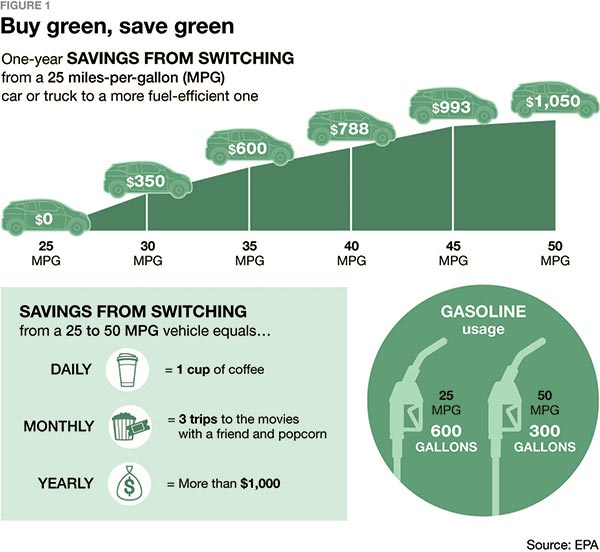
- Adoption of green technologies. The adoption of green technology in the transportation sector is a crucial component of the GTL framework. This entails making investments in fuel-efficient engines, electric and hybrid cars, biofuels, hydrogen, and renewable energy sources to power warehouses and transportation fleets [Banomyong, R., & Supatn, N. (2019)]. Organizations may lower carbon emissions, increase energy efficiency, and make the switch to low-carbon transportation systems by adopting technological advancements.
- Environmental considerations. Organizations need to systematically assess and integrate environmental considerations into their decision-making and financial results to ensure sustainable strategies for transportation are instituted. One critical approach [Sarkis (2013), titled “A boundaries and flows perspective of green supply chain management”] is leveraging lifecycle assessment (LCA) to evaluate end-to-end environmental impacts throughout the supply chain, spanning from procurement of raw materials to end-of-life disposal. This will help businesses identify hotspots around the evaluation of emissions, vehicle technologies, fuel choices for transportation, and alternatives available.
Strategies for green transportation
Sustainable transport is key to tackling the climate crisis and emerging technologies are reshaping transportation management globally and offering innovative solutions to improve logistical efficiency, economies of scale, alternate fuels with less emissions, and sustainability. Supply chain sustainability strategies that are driven by short-term thinking are susceptible to many different types of disruptions, from government regulations and economic conditions to other global influences.
Some of the pathbreaking key trends are as follows:
- Modernization in vehicles (autonomous, electric). Vehicle modernization has the potential to revolutionize transportation fleets. Newer vehicles use advanced sensors and artificial intelligence algorithms to navigate routes and paths safely and responsibly, thereby improving operations and vehicle utilization and reducing carbon emissions. Similarly, advancements in battery technology and infrastructure for charging electric vehicles will significantly reduce carbon emissions, thereby providing a sustainable operative for logistic service providers and fleet operators. Transitioning to electric vehicles powered by renewable energy sources can significantly reduce greenhouse gas emissions and air pollution associated with traditional gasoline and diesel vehicles [Nikas, A., & Xydis, G. (2020)].
- Sustainable planning for cities and communities. Architecting and designing cities and communities with compact and accessible amenities can reduce reliance on motorized vehicles and promote physical activity thereby mitigating environmental impacts due to transportation [Newman, P., & Kenworthy, J. R. (2015).]. Local and municipal bodies need to further encourage physical activities in communities via the use of digital apps such as Virgin Pulse and many others. Furthermore, carpooling and ridesharing programs can help optimize vehicle occupancy rates, reduce traffic congestion, and lower carbon emissions per passenger mile [Chen, P., Lu, L., Zhai, Y., & Tang, J. (2017)].
- Investment in sustainable infrastructure. Governments and local authorities need to plan and allocate funds for the development, and maintenance of transport infrastructure with emphasis on environmental sustainability, social equity, and economic viability.
- Futuristic mode of transportation (Maglev and Hyperloop). Technologies such as Hyperloop and Magnetic levitation offer high-speed solutions as futuristic modes of transportation. Concepts such as bullet trains will reduce travel time, reduce carbon emissions, and provide greener avenues for communities. Alternative fuels such as biodiesel, ethanol, hydrogen, propane, and natural gas further help conserve resources and reduce emissions.
Stakeholder engagement and regulatory measures
The decarbonization and transformation of the transport sector remains essential for achieving the Paris targets, as transport still accounts for 24% of global CO2 emissions from fuel combustion [IEA 2020]. The challenge of decarbonization massively increases the need for intercompany carbon data exchange [Forbes, 2022 study]. Transparency and powerful collaboration capabilities are key for sharing data up and down the supply chain. Successful companies on the sustainability front are using open networks that connect multiple partners for inter-company collaboration and insight.
Stakeholder participation, collaboration, and engagement are imperative for the adoption of sustainable practices, fostering transparency and accountability in the supply chain. Shared goals, priorities, and challenges need to be identified and discussed amongst all parties including transportation authorities (department of transportation), governmental agencies, manufacturers, retailers, environmental bodies, and regulatory agencies [Ntow-Gyamfi, M., Yang, Y., & Damoah, I. S. (2020)].
Conducting stakeholder-focused group discussions and workshops to solicit inputs on sustainability, establishing advisory committees on sustainable transportation, and working groups to facilitate dialogue, is a must. Solutions need to be co-created and social media platforms can be leveraged to disseminate and provide information transparently to the public. This will help build trust and incorporate inclusivity and equity amongst diverse stakeholder groups.
Similarly, the regulatory framework comprising environmental laws and regulations on emission standards, pollution control, and natural resource conversation needs to be revamped to promote green technologies for environmental sustainability. Governments can provide grants, subsidies, and tax credits to support research in the green transportation domain.
Regulatory frameworks can support environmentally friendly logistics techniques including cutting down on empty kilometers, increasing cargo efficiency, and optimizing freight routes. Regulations about freight consolidation, vehicle routing, and environmentally friendly packing materials may be implemented to reduce environmental effects and improve the sustainability of the supply chain. As demand for action continues to grow for recycling plastic and sustainable packaging, effective implementation of transportation policies to promote alternative modes of transportation to reduce reliance on fossil fuels needs to be enforced across developing nations.
Aviation and shipping sectors contribute large amounts of greenhouse gas emissions, which can be tampered with by regulatory action. This could entail carrying out international agreements and rules, such as the International Civil Aviation Organization’s (ICAO) Carbon Offsetting and Reduction Scheme for International Aviation and the International Maritime Organization’s (IMO) emissions limits for ships (CORSIA). All countries and organizations need to disclose environmental, social, and governance (ESG) performance metrics, and conduct quarterly audits to enhance accountability in reporting the state of the supply chain [United Nations Environment Program (UNEP). (2011)].
Conclusion
Sustainability simply means keeping things going—but the conundrum is that keeping things going exactly as they are right now is unsustainable. Fortunately, one thing sustainability doesn’t mean is poor business performance. Many sustainability initiatives in the logistics domain are designed to increase efficiency and drive down costs.
Stakeholder engagement initiatives, policy interventions, and the use of cutting-edge technologies have all contributed to the notable advancement of sustainable supply chains and greener transportation. Reducing carbon emissions, improving air quality, and increasing resource efficiency have all been shown to be tangibly benefited by initiatives like investing in sustainable infrastructure, encouraging the use of electric vehicles, promoting public transportation, and putting supply chain transparency measures in place. This includes support for renewable energy technologies, smart transportation systems, circular economy practices, and resilient supply chain networks.
The paradigm shift toward more environmentally friendly smart transportation and sustainable supply chains needs to be led by the values of inclusivity, social justice, and fairness. Prioritizing the needs and voices of disadvantaged communities, vulnerable populations, and future generations is crucial in promoting sustainability and ensuring that the benefits of sustainable development are distributed fairly throughout society. By fostering collaboration, innovation, and shared responsibility, we can build a more sustainable, equitable, and resilient future for all.